
WooCommerce
WooCommerce
WooCommerce gives merchants a WordPress-based commerce platform with the flexibility to shape storefront, checkout, content, extensions, and operating model around how the business actually sells online.
Who this fits
WooCommerce is best for online-first merchants, hybrid merchants combining ecommerce and in-person selling, businesses that want WordPress-based content and commerce together, and operators who need extension flexibility and platform ownership.
Why merchants use it
WooCommerce supports a more ownership-oriented approach to storefront, checkout, content, and extension decisions while giving merchants room to shape the platform around real catalog, content, online selling, and hybrid-commerce needs.
Next step
Talk to SaviorPay About WooCommerce
SaviorPay helps merchants evaluate whether WooCommerce is the right open-commerce fit, how it compares to other commerce paths, and what the next step should be before the business commits to one platform direction.
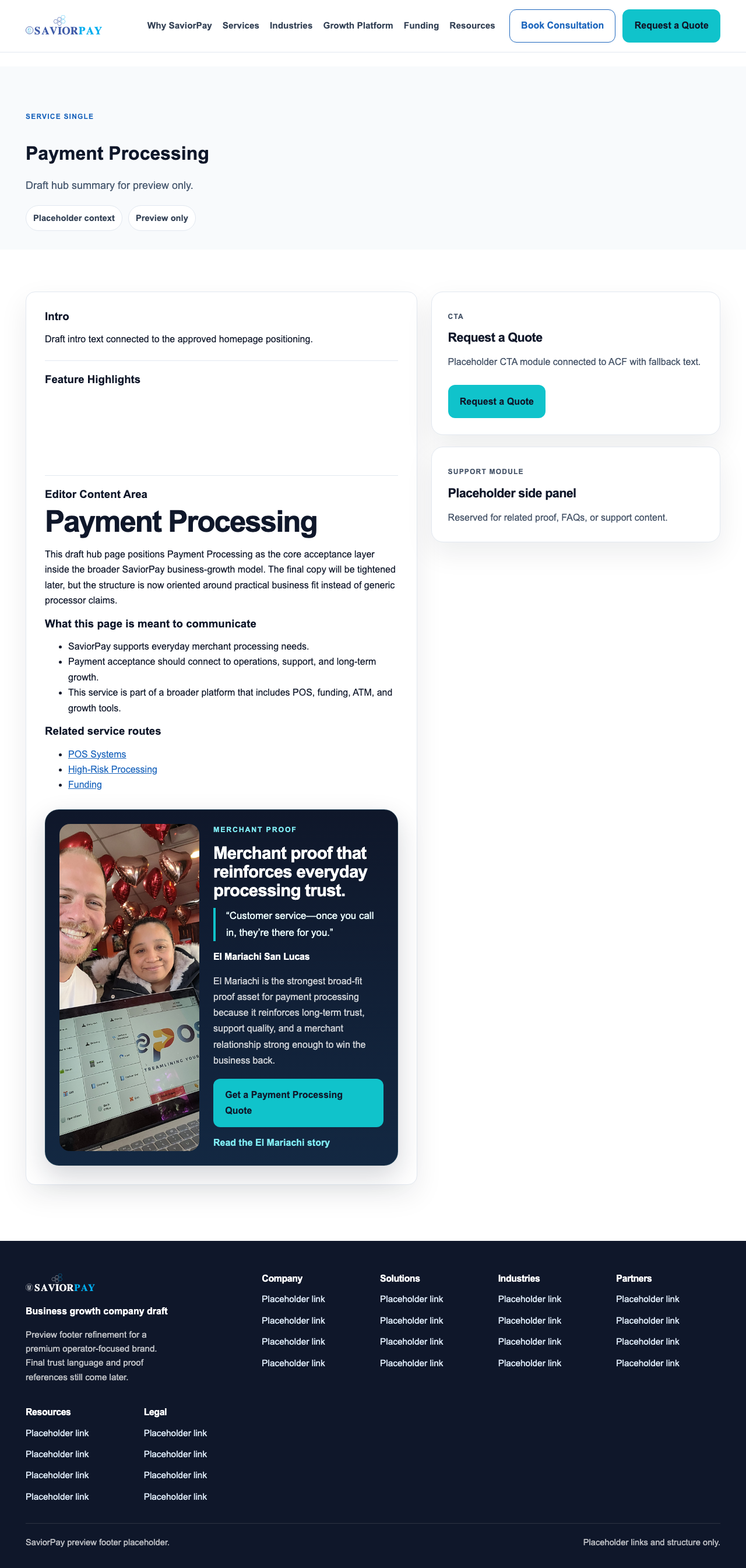
What it looks like in practice
See it in a working business before you commit.
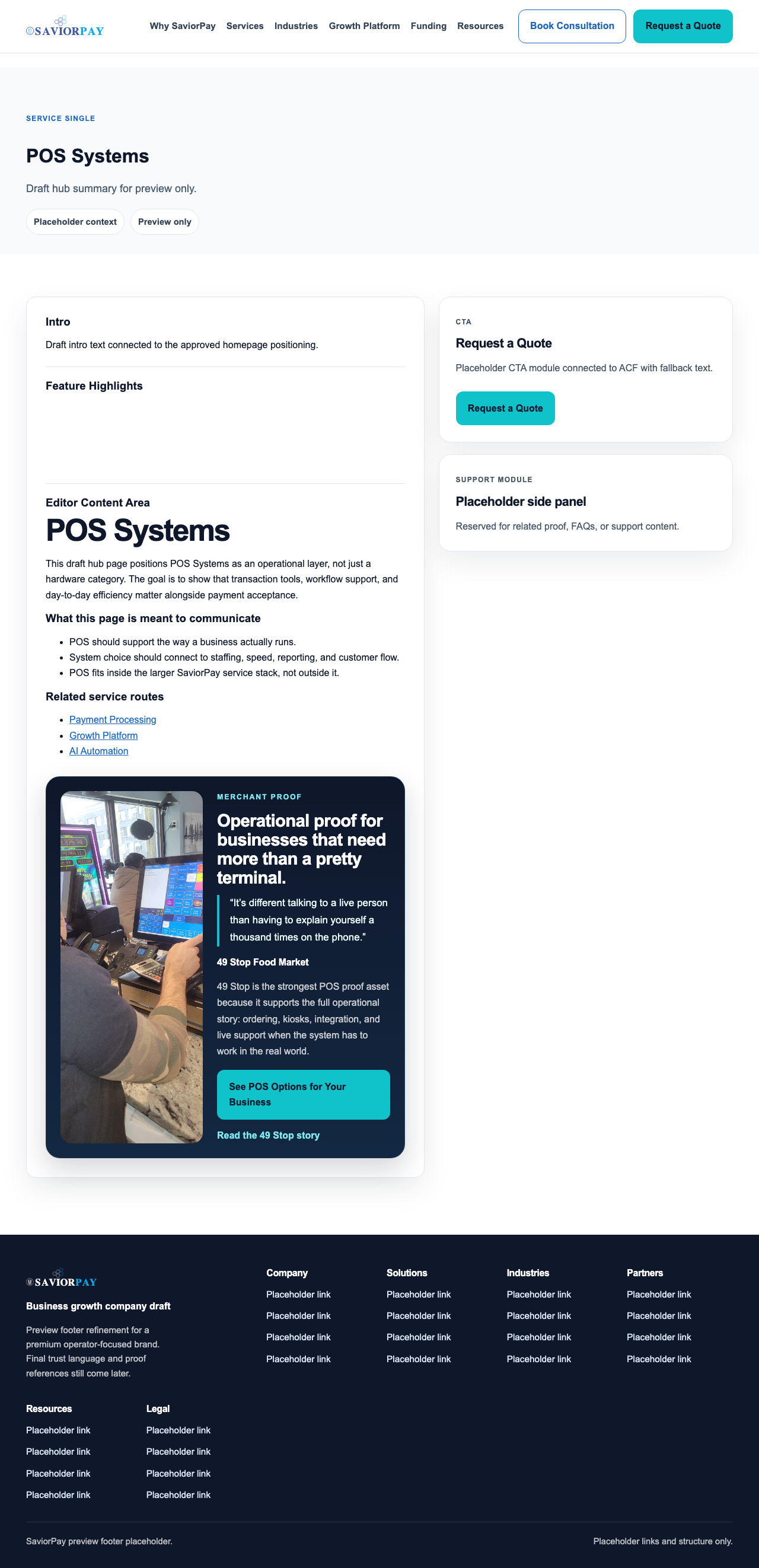
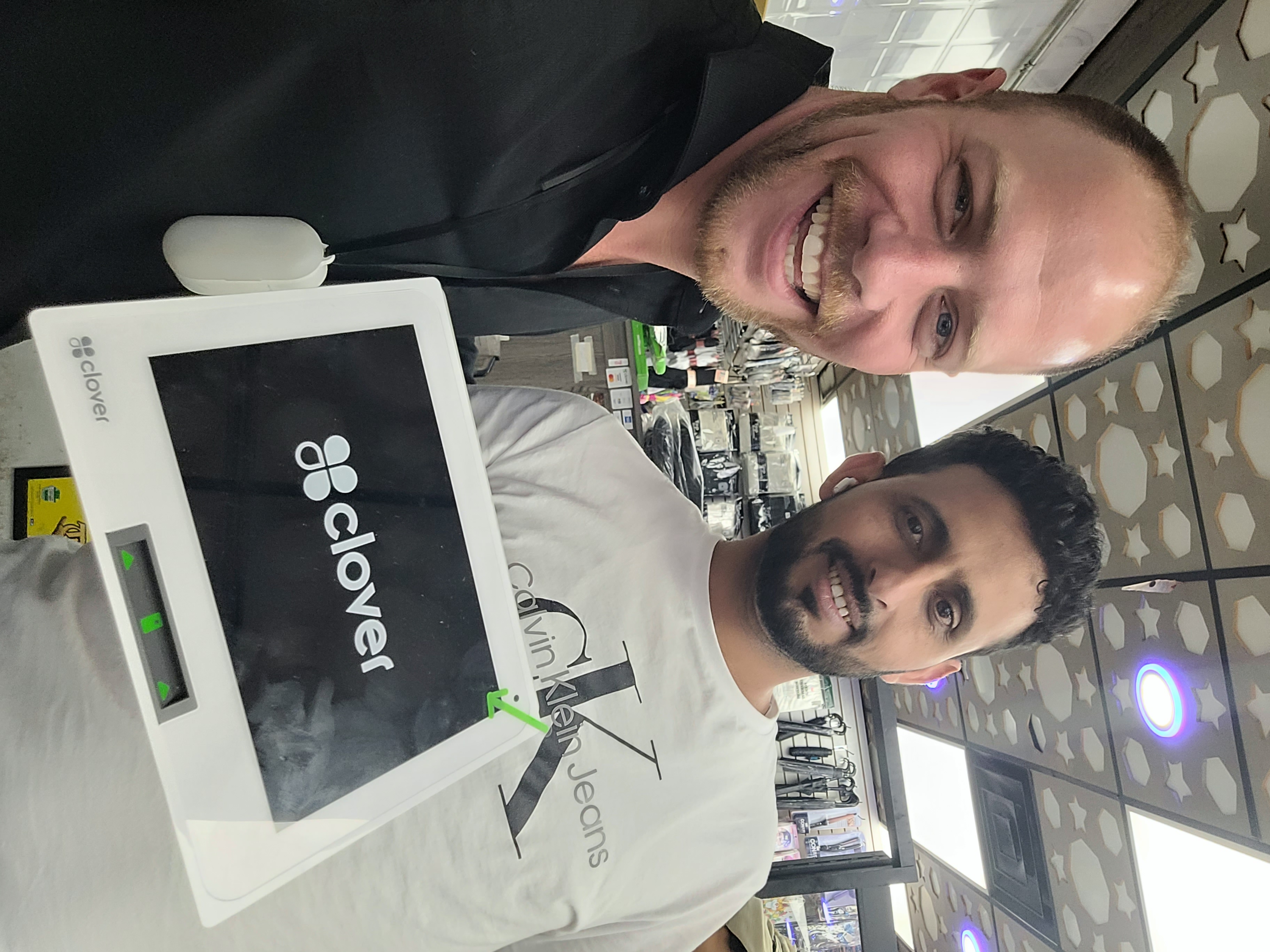
Workflow and hardware from real SaviorPay installs, so the decision rests on something more concrete than a feature list.


Core platform capabilities
WooCommerce should be evaluated as an open commerce platform with storefront, catalog, content, extension, and operational implications. For the right business, that flexibility is a major strength. For the wrong business, it can create unnecessary complexity.
Operational workflows
WooCommerce is a strong fit when flexibility, ownership, and extensibility matter. It is less ideal when the business wants a tightly managed all-in-one environment or the simplest possible closed-platform setup.
Pricing visibility
WooCommerce can involve core platform choices, hosting, payments, extensions, and operational decisions. The right comparison is not just what it costs, but what kind of ownership, flexibility, and complexity the business wants.
Ecosystem and integrations
WooCommerce should be assessed across core platform capability, official product layers, and third-party ecosystem extensions so the merchant understands which parts are core, official, and ecosystem-driven.
Why work with SaviorPay first?
SaviorPay helps merchants evaluate whether WooCommerce is the right open-commerce fit, how it compares to other commerce paths, and what the next step should be before the business commits to one platform direction.
WooCommerce should feel like a flexible commerce path with real operating implications.
This media layer uses current approved SaviorPay visuals to support the platform story around ownership, hybrid selling, content-led commerce, and a more deliberate evaluation process.
The right WooCommerce decision is about fit, ownership, and operating complexity.
Decide whether the business benefits from more platform control than a closed system offers.
Assess storefront, in-person support paths, and extension needs together.
SaviorPay helps compare WooCommerce against simpler or more packaged alternatives before commitment.
Open commerce platform
WooCommerce gives merchants flexible, open-source commerce built on WordPress.
WooCommerce helps ecommerce brands, service businesses, agencies, and growing merchants sell online with an open commerce platform that supports payments, bookings, in-person selling paths, official extensions, and a broad WordPress ecosystem.
Merchant fit
Who WooCommerce is best for
WooCommerce is a strong fit for merchants who want more control than a closed ecommerce platform typically provides. It is especially well suited to ecommerce brands, direct-to-consumer businesses, services and bookings businesses, agencies, and merchants who want to build on WordPress while keeping flexibility over how their commerce stack grows.
Ecommerce stores
Best for businesses that want ownership and flexibility in how the store evolves.
Bookings and services
Strong for businesses that want commerce plus scheduling or service-led workflows.
Growing merchants
Useful when the business expects to expand features, integrations, and selling channels over time.
Benefits
Why merchants choose WooCommerce
Own more of the commerce stack
WooCommerce is built as an open-source commerce platform connected to WordPress, giving merchants more flexibility over store structure, functionality, and long-term control.
Start with core commerce and extend carefully
Merchants can begin with the core platform, then add official WooCommerce products such as WooPayments, Bookings, and in-person selling paths where appropriate.
Grow through a large ecosystem
WooCommerce combines official products with a broader third-party ecosystem, allowing businesses to scale based on operational needs.
Core WooCommerce platform
What the core platform covers
These items reflect the official WooCommerce core platform position from Version 1.0.
Open-source commerce platform
Built on WordPress with flexible ownership and deployment control.
Online selling
Supports ecommerce store management and core online selling workflows.
Documentation and support pathways
Official evaluation and support references help merchants assess the platform more confidently.
Official WooCommerce products
Official products and extensions
These capabilities are tied to official WooCommerce products and officially referenced ecosystem offerings in Version 1.0.
WooPayments
Official payment capabilities path within the WooCommerce ecosystem.
WooCommerce Bookings
Supports booking-oriented business models within the official product family.
Official in-person pathways
WooCommerce includes official in-person selling and POS pathways that should be positioned carefully.
Official themes and extensions
Official products and extensions remain distinct from the broader third-party ecosystem.
Third-party ecosystem
Broader ecosystem flexibility
WooCommerce also benefits from community extensions, third-party themes, third-party integrations, and the broader WordPress ecosystem. These tools should be evaluated separately from the core platform and official WooCommerce products.
In-person selling pathway
WooCommerce is not limited to online selling
Version 1.0 also supports an in-person selling and POS pathway, along with related mobile and app assets. The current production baseline positions this carefully and does not overstate detailed hardware coverage.
Pricing visibility
Mixed pricing visibility
WooCommerce has mixed pricing visibility in Version 1.0. Some official product and extension pricing is public, while other parts of the ecosystem vary depending on official products, hosting choices, and third-party tools.
Support & documentation
Official documentation and support pathways
WooCommerce includes official documentation, support pathways, and trusted product references that make it easier for merchants and implementers to evaluate the platform confidently. SaviorPay can help structure the right mix of core platform, official products, and appropriate ecosystem extensions.
FAQ
Frequently Asked Questions
What is included in core WooCommerce?
Core WooCommerce covers the open-source commerce platform and its core online selling capabilities. Additional capabilities may come from official WooCommerce products or from the broader third-party ecosystem.
What counts as an official WooCommerce product?
Version 1.0 identifies official WooCommerce products and product paths such as WooPayments, Bookings, official extensions, official themes, and official in-person selling / POS pathways.
Are third-party plugins and themes part of WooCommerce core?
No. Third-party plugins, community extensions, third-party themes, and broader WordPress ecosystem tools should not be treated as core WooCommerce features.
Is WooCommerce only for online stores?
No. Version 1.0 also supports in-person selling and POS pathways, though the current production baseline notes that clearer hardware and POS summary detail is still a Version 1.1 enhancement area.
Who is WooCommerce best for?
WooCommerce is best for merchants who want open-source flexibility, WordPress ownership, and the ability to expand through official products and a wider ecosystem over time.
How should I evaluate WooCommerce against other commerce or payment platforms?
WooCommerce is often strongest when flexibility, ownership, and extensibility matter. Merchants that want more guided infrastructure or payment-platform support may also compare it with solutions such as NMI, Clover, SwipeSimple, or Authorize.net depending on the use case.
Next step
Need help deciding whether WooCommerce is the right fit?
SaviorPay can help you evaluate WooCommerce against your business model, platform goals, implementation needs, and long-term flexibility requirements.