

KORONA
KORONA
KORONA fits retailers that need stronger in-store workflow, inventory visibility, and reporting control than a lighter general-purpose setup usually provides.

Who this fits
KORONA is best for specialty retail, inventory-aware stores, multi-location environments, and operators who need more structure in day-to-day store operations.
Why merchants use it
Retail teams look at KORONA when they need stronger inventory discipline, clearer reporting visibility, and a more deliberate in-store operating model.
Next step
Talk to SaviorPay About KORONA
SaviorPay helps retailers compare KORONA against other retail and commerce paths, determine whether the business actually needs this level of structure, and choose the right implementation path before committing.
What it looks like in practice
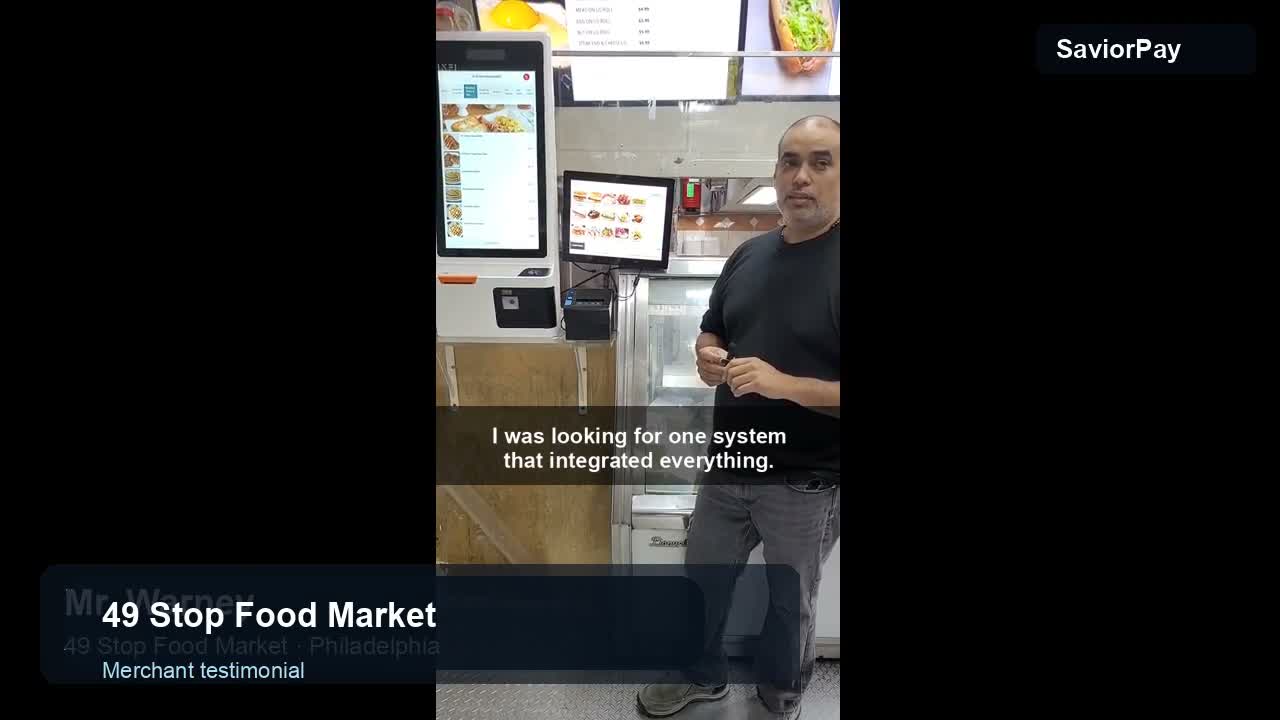
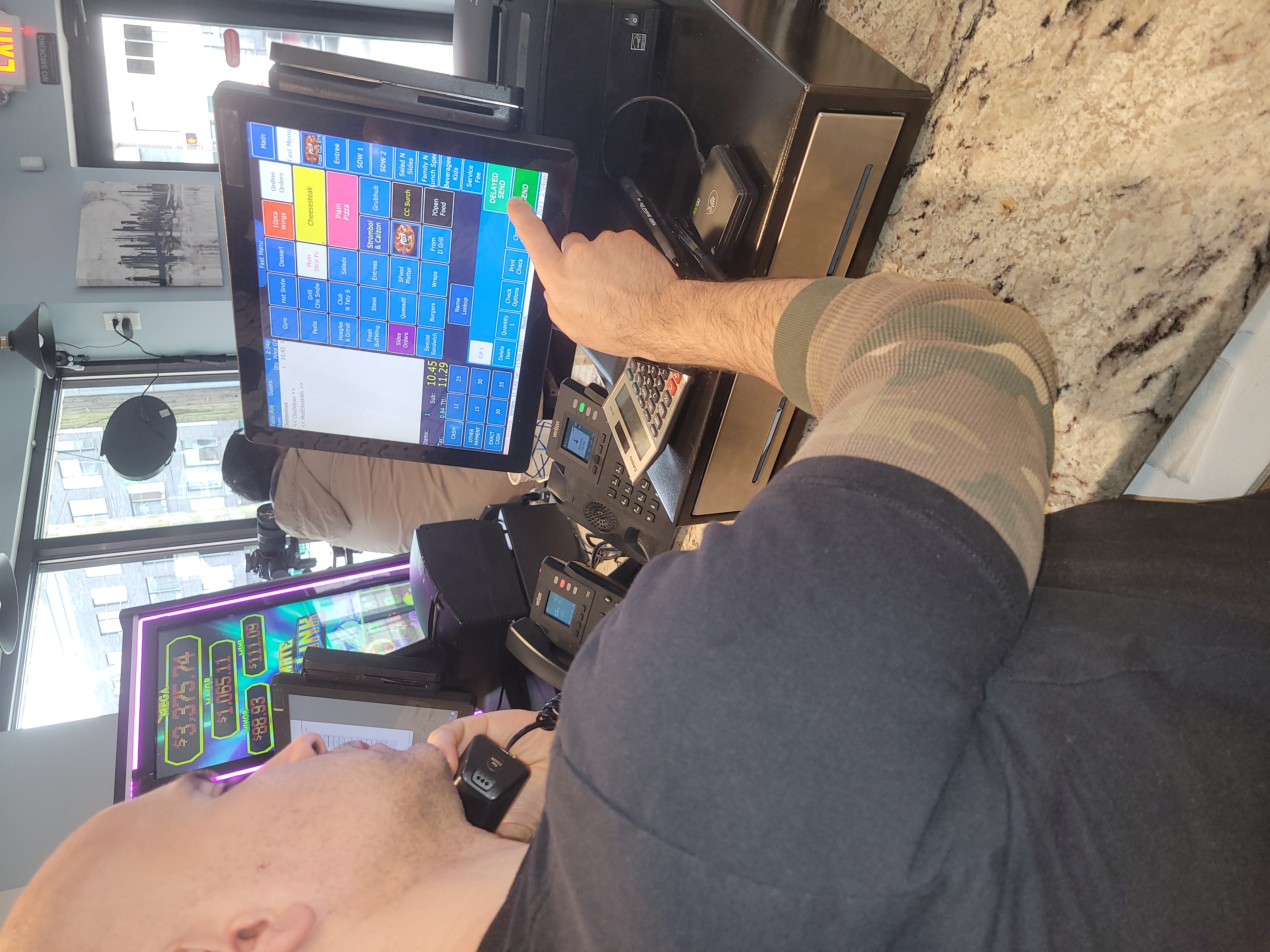
See it in a working business before you commit.
Workflow and hardware from real SaviorPay installs, so the decision rests on something more concrete than a feature list.

Core platform capabilities
KORONA should be evaluated as a retail operating platform affecting product setup, inventory control, reporting, employee workflows, and store execution—not just payment acceptance at the register.
Operational workflows
It is a stronger fit when the business will actually use the extra structure it provides; it is less ideal for very simple countertop merchants or restaurant-first workflows.
Pricing visibility
KORONA should be compared through total fit: workflow needs, implementation complexity, inventory expectations, reporting demands, and broader payments alignment—not just a headline software number.
Ecosystem and integrations
The right KORONA decision depends on how the retail stack fits product management, reporting expectations, payments alignment, and implementation reality across the business.
Why work with SaviorPay first?
SaviorPay helps retailers compare KORONA against other retail and commerce paths, determine whether the business actually needs this level of structure, and choose the right implementation path before committing.
KORONA is a retail operating system, not just a register.
Inventory counts, purchase orders, supplier records and reporting live in the same system as the till. That is the reason to choose it, and the reason it is more than a lighter setup needs.
What the right KORONA fit looks like.
- Specialty retail teams that actually need more structure.
- Operators who care about inventory accuracy and reporting visibility.
- Stores where workflow discipline matters more than a basic checkout app.
When KORONA may not fit
KORONA is not the best path for every merchant. Very simple countertop businesses, restaurant-led operations, or merchants that mainly need a lightweight payments-only setup may not need this level of retail structure.
Related solution paths
Implementation perspective
For the right operator, the structure KORONA provides can improve store visibility and control. SaviorPay helps determine whether that operational complexity is worth it before the business commits.